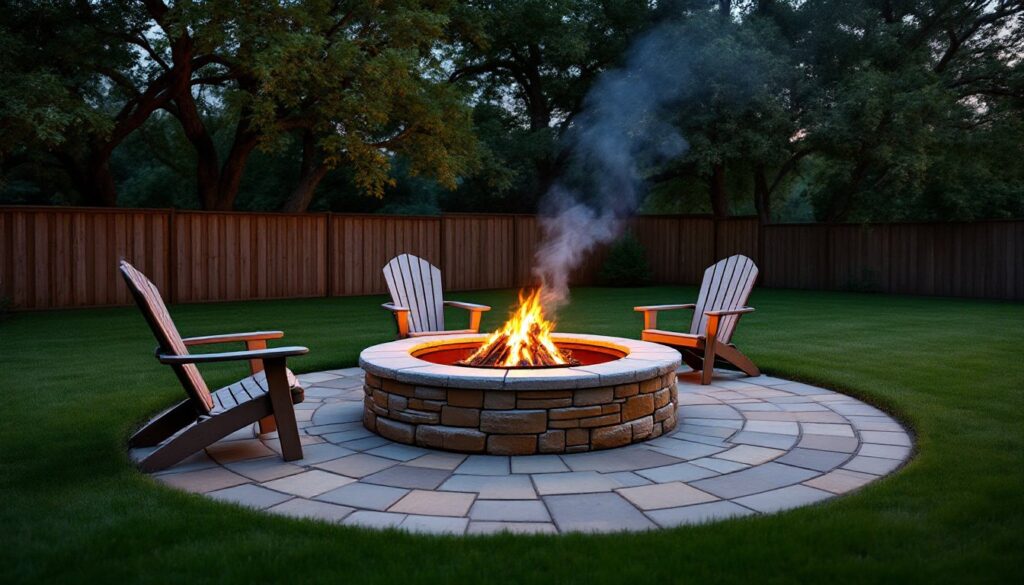
A stone fire pit anchors an outdoor space like nothing else, it’s warmth, gathering spot, and visual centerpiece all in one. Whether you’re planning weekend s’mores with the kids or creating a permanent entertaining zone, stone delivers durability and timeless appeal that metal rings and prefab kits can’t match. Unlike lightweight alternatives, stone fire pits handle freeze-thaw cycles, resist rust, and blend seamlessly into landscaping. They can be as simple as a dry-stacked ring of fieldstone or as polished as a mortared veneer surround with built-in seating. This guide covers natural stone, stacked stone, river rock, and modern designs, plus practical installation tips to help you build a fire feature that’ll last decades.
Table of Contents
ToggleKey Takeaways
- Stone fire pit ideas offer superior durability and longevity compared to metal or prefab alternatives, lasting generations when properly built with a solid gravel base and firebrick liner.
- Natural stone designs like fieldstone rings and boulder pits work best in rustic settings, while stacked stone veneer provides a cleaner, modern look that’s easier for DIY builders to install.
- Always check local fire codes and setback requirements (typically 10–25 feet from structures) before building, and use firebrick in the fire zone to prevent moisture-related cracking and explosions from porous stones like river rock.
- A compacted 4–6 inch gravel base is essential to prevent settling, cracking, and frost heave, making this foundation step as critical as the stone selection itself.
- Modern stone fire pit designs can incorporate cut bluestone caps, concrete aggregate, or Corten steel hybrids for an architectural look that complements contemporary homes and minimalist landscapes.
Why Choose a Stone Fire Pit for Your Outdoor Space
Stone outperforms other fire pit materials in longevity and heat resistance. Natural stone and masonry can withstand temperatures exceeding 1,200°F without cracking when properly constructed with a firebrick liner or heat-resistant center. Metal fire rings rust out in 5–10 years depending on climate: stone structures, when built on a solid base, can last generations.
From a code perspective, many jurisdictions require fire pits to sit a minimum of 10–25 feet from structures, property lines, and overhanging branches. Stone construction often meets local fire marshal requirements more easily than wood or composite surrounds because it’s non-combustible. Always check your local fire ordinance and homeowner association rules before breaking ground.
Stone also integrates into existing hardscape. If you’ve already got a flagstone patio or retaining wall, matching stone ties the fire pit into the design language. It reads as intentional, not an afterthought. And if you’re working with a sloped yard, a stone fire pit can double as a low retaining feature, saving material and labor.
Natural Stone Fire Pit Designs
Natural stone fire pits use uncut or minimally shaped stones, fieldstone, granite, limestone, sandstone, in irregular shapes that celebrate the material’s raw texture. These designs work best in rustic, cottage, or wooded settings where formality would feel out of place.
Fieldstone Ring: Stack flat fieldstones in a circular or square footprint, dry-stacked or mortared. Dry-stacking allows drainage and is easier for beginners, but mortar adds stability and keeps embers from escaping through gaps. Use a 36–48 inch interior diameter for a functional fire zone: smaller pits restrict airflow and limit seating.
Flagstone Surround: Lay large flagstone pavers around a steel fire ring or firebrick core. The stone acts as a cap and seating ledge. Choose flagstone at least 1.5–2 inches thick to handle foot traffic and radiant heat without cracking. This approach pairs well with a stone patio with fire pit for a cohesive outdoor living area.
Boulder Fire Pit: Nestle a steel insert or dig a shallow fire bowl into a cluster of large boulders. Granite and basalt boulders resist spalling (explosive flaking) better than sedimentary stones when exposed to direct flame. For smaller yards, incorporating small backyard ideas can help maximize space around a natural stone feature.
Safety note: Avoid river rock or sandstone in direct contact with flame, they can retain moisture and fracture violently when heated. Use firebrick for the inner ring.
Stacked Stone Fire Pit Ideas
Stacked stone (also called ledgestone or cultured stone veneer) consists of thin, flat pieces designed to fit together like puzzle pieces. It’s lighter than full-thickness stone and easier to transport, making it popular for DIY builds.
Veneer Over Concrete Block: Build a structural core from 8×8×16-inch concrete blocks (CMUs) in a circle or square, then adhere stacked stone veneer to the outside with masonry adhesive or thin-set mortar. The CMU provides load-bearing stability: the veneer provides aesthetics. Cap the top with cut flagstone or bluestone for a finished ledge.
Double-Wall Stack: Construct two concentric rings of stacked stone with an air gap between them. The inner ring should be firebrick: the outer decorative stone stays cooler and safer to touch. This method requires careful planning to maintain consistent coursing and avoid toppling.
Mortared vs. Dry-Stack: Mortared stacked stone offers wind and weather resistance and prevents weed growth in joints. Dry-stacking is faster and more forgiving for beginners but may shift over time, especially on unstable ground. If dry-stacking, excavate 4–6 inches deep, fill with compacted gravel, and tamp thoroughly to create a stable base.
Tip: Stacked stone often comes in corner pieces and flat sections. Plan your layout on the ground before adhering anything, it’s much easier to rearrange dry stone than to chisel off set mortar.
River Rock and Pebble Fire Pit Styles
River rock fire pits use smooth, rounded stones in the 2–6 inch range as decorative infill or border elements. They’re not suitable for direct flame contact due to moisture retention, but they excel in gas fire pit applications and as design accents.
Gas Fire Pit with River Rock Fill: Install a propane or natural gas burner in a stone or metal bowl, then top with fire-rated lava rock or ceramic stones, not natural river rock, which can pop and shatter. Surround the gas insert with a mortared river rock wall for a polished, low-maintenance look that doesn’t require wood hauling or ash cleanup.
River Rock Drain Bed: If your fire pit site has drainage issues, dig a wider base, line it with landscape fabric, and backfill with river rock before setting your stone fire ring on top. The rock acts as a French drain, channeling water away from the fire zone and preventing frost heave in cold climates.
Pebble Mosaic Surround: For a decorative touch, create a pebble mosaic in the concrete or mortar cap around the fire pit. Arrange small pebbles (1–2 inches) in patterns, press into wet mortar, and seal once cured. This works best in temperate climates: freeze-thaw can dislodge stones.
Pro Tip: If using river rock decoratively around a wood-burning pit, keep it at least 12 inches away from the flame zone to avoid heat-induced cracking.
Modern Stone Fire Pit Concepts
Modern stone fire pit designs emphasize clean lines, monolithic forms, and contrasting materials. They pair well with contemporary architecture and minimalist landscapes, offering ideas that align with best backyard entertaining trends.
Poured Concrete with Stone Aggregate: Build a form from plywood or foam, then pour high-strength concrete mixed with exposed aggregate (crushed granite, quartz, or recycled glass). Once cured, grind and polish the surface to reveal the stone. This creates a sleek, monolithic look with the durability of stone. A steel fire ring insert keeps the fire contained.
Cut Bluestone or Granite Caps: Use precision-cut bluestone or granite slabs in 12×24-inch or larger sizes to cap a CMU or poured concrete core. The uniform edges and tight joints create a tailored, architectural appearance. Bluestone is especially popular in the Northeast for its availability and clean gray-blue color.
Linear Stone Fire Pit: Instead of a circle, build a rectangular fire feature using stacked slate or honed limestone in a horizontal grain pattern. Pair with matching stone benches or a stone patio for a cohesive modern aesthetic. Linear pits work well in narrow yards or along pool decks.
Metal and Stone Hybrid: Combine Corten steel (weathering steel) panels with stone base or surround. The rusted steel patina contrasts beautifully with cool gray stone, and the metal can be custom-fabricated to exact dimensions. Corten is self-protecting, it develops a stable rust layer that prevents further corrosion.
Consider professional input for poured concrete or custom metalwork if you’re unfamiliar with forming and reinforcement. Modern designs often require tighter tolerances than rustic builds.
DIY Stone Fire Pit Installation Tips
Materials & Tools:
- Stone of choice (fieldstone, stacked stone veneer, flagstone, etc.)
- Firebrick or steel fire ring insert
- Masonry adhesive or Type N mortar (for mortared builds)
- Crushed gravel base (3/4-inch minus)
- Landscape fabric (optional, for weed suppression)
- Level, tape measure, string line, stakes
- Tamper or plate compactor
- Safety glasses, work gloves, dust mask
- Circular saw with masonry blade (if cutting stone)
- Jointing tool or trowel
Step-by-Step Process:
- Check codes and locate utilities. Call 811 to mark underground lines. Verify setback requirements and whether a permit is needed (some jurisdictions require permits for permanent fire features).
- Mark and excavate. Use stakes and string to outline your fire pit. For a 48-inch interior pit, plan a 60–72-inch excavation to allow for stone thickness and a gravel base. Dig down 6–8 inches and level the bottom.
- Lay gravel base. Spread 4–6 inches of crushed gravel, wet it lightly, and compact with a tamper or plate compactor. Check level in all directions. This step prevents settling and frost heave.
- Set first course. Lay your first ring of stone (or CMU if using a veneer method) on the compacted gravel. Check level constantly. For circular pits, a string compass (stake in center with string and marker) helps maintain radius.
- Build up walls. Continue stacking stone, staggering joints like brickwork for strength. If mortaring, apply a 1/2–3/4 inch bed of Type N mortar between courses. Tool joints smooth before mortar sets (typically 30–60 minutes). If dry-stacking, choose stones with flat bearing surfaces and fill voids with stone chips.
- Install fire ring or firebrick. Place a steel ring insert in the center, or line the interior with firebrick set on edge in sand. Firebrick protects outer stone from direct flame and reflects heat outward.
- Cap and finish. Top the wall with cut flagstone, bluestone, or capstones for a clean ledge. Overhang the cap 1–2 inches past the wall face for a finished look and to shed water. Seal natural stone caps with a breathable masonry sealer to resist staining.
- Cure and cure time. If you’ve used mortar, keep the pit covered and avoid fire for 7 days to allow full cure. Premature heating can cause mortar to crack.
Common Mistakes to Avoid:
- Skipping the gravel base, leads to settling and cracking.
- Using river rock or porous stone in the fire zone, can explode when heated.
- Building too small, 36 inches interior is minimum for usable fire.
- Ignoring drainage, standing water undermines the base and promotes freeze damage.
For design inspiration and plant pairings around your fire feature, resources like Gardenista and Southern Living offer regionally appropriate landscaping ideas. Also, Hunker provides step-by-step project guides for various outdoor improvements.
Conclusion
A well-built stone fire pit becomes the heart of a backyard, offering decades of use with minimal upkeep. Whether you choose natural fieldstone for a rustic vibe, stacked veneer for a tailored look, or sleek cut stone for modern appeal, the key is a solid base, proper materials, and attention to fire safety codes. Take your time on prep work, leveling, compacting, and selecting the right stone for the fire zone, and you’ll end up with a feature that outlasts trends and serves your family for years.