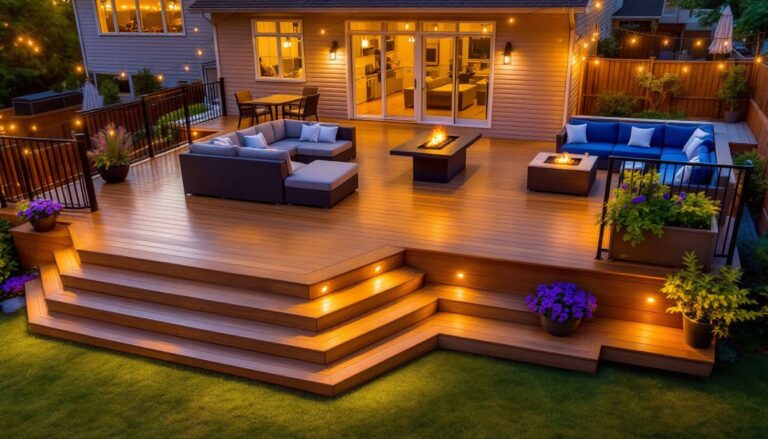

A well-designed backyard isn’t just an afterthought, it’s an extension of living space, a retreat from daily chaos, and often the deciding factor in whether guests want to stick around after dinner. But starting from a blank slate (or worse, a patchy lawn and overgrown shrubs) can feel overwhelming. The good news? Landscape design doesn’t require a horticulture degree or a contractor’s budget. With thoughtful planning, strategic zoning, and a mix of hardscaping and greenery, any homeowner can transform their backyard into a functional, beautiful outdoor space that works year-round.
Table of Contents
ToggleKey Takeaways
- Successful landscape design ideas for your backyard start with assessing sun exposure, drainage, traffic flow, and setting realistic priorities before purchasing plants or materials.
- Creating functional zones—such as dining areas, lounging spaces, and play zones—makes your backyard feel larger and more purposeful, transforming it from a blank lawn into distinct outdoor rooms.
- Layer your landscape design vertically using trees, shrubs, and ground covers while incorporating hardscaping elements like pavers and gravel to add depth, texture, and visual interest year-round.
- Install focal points like water features, fire pits, or pergolas and add outdoor lighting to extend usability after dark and highlight your landscape design when entertaining guests.
- Choose native plants grouped in odd numbers, implement proper drainage and irrigation systems, and plan for seasonal maintenance to create a low-maintenance backyard that actually gets used.
Planning Your Backyard Landscape Design
Every successful landscape project starts with a clear plan, not a vague Pinterest board, but a practical assessment of what the space can handle and what the homeowner actually needs.
Assessing Your Space and Setting Goals
Before buying a single plant or paver, walk the yard with a measuring tape and notebook. Note the following:
- Sun exposure: Track which areas get full sun (6+ hours), partial shade (3-6 hours), or full shade. This determines plant selection and where to place seating or play areas.
- Drainage and grade: Look for low spots that pool water after rain. Poor drainage requires correction (French drains, regrading) before any hardscaping goes in.
- Existing features: Identify mature trees, utility lines, property lines, and any structures (sheds, fences) that will stay.
- Access and traffic flow: Consider how people move through the space, from the house to the garage, to the garden, to the fire pit.
Set realistic goals. A family with young kids needs durable, low-maintenance turf or play zones. A couple who loves hosting needs seating, shade, and possibly an outdoor kitchen. Someone with limited time should prioritize native plants and automated irrigation. Write down the top three priorities and design around those. Everything else is negotiable.
Check local regulations, too. Some municipalities have setback requirements for structures, restrictions on fence height, or rules about impervious surface coverage. If the plan includes a deck, pergola, or permanent water feature, verify whether a permit is required.
Create Functional Zones for Living and Entertaining
Dividing a backyard into distinct zones makes the space feel larger and more purposeful. Rather than one sprawling lawn, think in terms of outdoor rooms, each with a specific function.
Common zones include:
- Dining area: A patio or deck with enough space for a table and chairs. Budget at least 10×10 feet for a four-person setup: 12×14 feet for six to eight people.
- Lounge or conversation area: Arrange seating around a fire pit, outdoor fireplace, or low coffee table. Use pavers, flagstone, or a gravel base to define the footprint.
- Cooking zone: If adding a grill or outdoor kitchen, position it near the house for easy access to utilities and supplies. Allow 3-4 feet of clearance on all sides for safety.
- Play or lawn area: Keep open turf for kids, pets, or lawn games. Avoid placing this directly adjacent to delicate plantings.
- Garden beds or raised planters: Dedicate space for ornamentals, herbs, or vegetables. Raised beds (12-18 inches high) improve drainage and reduce bending.
Use physical elements to separate zones without walls. Low hedges, decorative fencing, gravel paths, or even a change in paving material signals a transition. For example, a flagstone path might lead from a concrete patio to a gravel seating area, with boxwood hedges framing the route.
Many homeowners benefit from considering how to create dedicated spaces that blend function with visual appeal. Scale matters, don’t cram a full outdoor kitchen into a 200-square-foot yard. If space is tight, a portable grill, bistro table, and a few potted plants can deliver the same experience.
Incorporate Layers With Plants and Hardscaping
A flat backyard with grass and a single tree feels unfinished. Layering, both vertically and horizontally, adds depth, texture, and visual interest.
Hardscaping forms the bones of the design. This includes patios, walkways, retaining walls, raised beds, and any non-living structural elements. Materials to consider:
- Concrete pavers: Durable, available in many sizes and colors. Easy to replace individually if one cracks.
- Flagstone: Natural, irregular shapes create a casual, organic look. Requires a compacted gravel base and polymeric sand between joints.
- Gravel or decomposed granite: Budget-friendly, drains well, and works for paths or patio underlayment. Needs edging to prevent migration. Gravel is especially popular in modern geometric layouts where clean lines and low-water plantings take center stage.
- Brick: Classic look, ideal for herringbone or basketweave patterns. Can be mortared or dry-laid.
For retaining walls over 4 feet high, consult a structural engineer, these are load-bearing and may need permits. Shorter walls (under 2 feet) can be DIY-friendly using modular block systems that interlock without mortar.
Choosing the Right Plant Combinations
Layering plants by height, texture, and bloom time keeps the landscape interesting through all seasons. Follow the three-tier rule:
- Canopy layer: Existing or newly planted trees provide shade and vertical structure. Choose species suited to the region (ask a local nursery about native options).
- Shrub and perennial layer: Mid-height plants (2-6 feet) fill in around trees and anchor beds. Mix evergreens for year-round structure with deciduous shrubs for seasonal color.
- Ground cover and edge layer: Low growers (under 12 inches) soften hardscape edges, suppress weeds, and tie everything together. Options include creeping thyme, sedum, or ornamental grasses.
Group plants in odd numbers (3, 5, 7) for a natural look. Repeat the same species in multiple locations to create rhythm and cohesion. For example, plant the same ornamental grass at three corners of the yard to unify disparate zones.
Consider maintenance needs. Native plants typically require less water and fertilizer once established. Avoid invasive species, check the local extension office or native plant society for regional guidance. If unsure, popular resources like Better Homes & Gardens offer region-specific plant guides and seasonal planting schedules.
Add Water Features and Focal Points
A well-placed focal point draws the eye and gives the landscape a sense of destination. This can be a water feature, sculpture, pergola, or even a striking specimen plant.
Water features range from simple to complex:
- Birdbaths or small fountains: Plug-and-play, minimal installation. Add ambient sound without excavation.
- Pondless waterfalls: Recirculating pump sends water over stacked stone into a hidden reservoir. No standing water means less maintenance and fewer mosquito concerns.
- Koi ponds: Require excavation, liner, filtration, and regular upkeep. Not a beginner project, but a stunning centerpiece if done right.
For any water feature, locate it where it’s visible from the main seating area and where an outdoor-rated GFCI outlet is accessible. If running new electrical, hire a licensed electrician, outdoor wiring must meet National Electrical Code (NEC) standards for wet locations.
Other focal point ideas:
- Fire pits or outdoor fireplaces: Check local fire codes for setback requirements (often 10-25 feet from structures). Propane or natural gas models require a licensed plumber for gas line installation.
- Pergolas or arbors: Provide shade, support climbing plants, and frame a seating area. Standard sizes start at 10×10 feet: larger structures may require footings below the frost line (varies by region, typically 24-48 inches deep).
- Specimen trees or sculptural plants: A Japanese maple, ornamental cherry, or architectural cactus (depending on climate) can anchor a corner or terminate a sightline.
Don’t overdo it. One or two strong focal points are plenty. More than that and the eye doesn’t know where to land. Homeowners looking to design cohesive entertaining spaces often benefit from selecting a single statement feature and building the rest of the design around it.
Lighting and Finishing Touches for Year-Round Appeal
A landscape that looks great at noon but disappears at dusk is only half-finished. Outdoor lighting extends usability, improves safety, and highlights design elements after dark.
Types of outdoor lighting:
- Path lights: Low-voltage LED fixtures spaced every 8-10 feet along walkways. Prevents tripping hazards and guides guests.
- Uplighting: Positioned at the base of trees, walls, or architectural features to cast dramatic shadows. Use warm white (2700-3000K) for a natural look.
- String lights or bistro lights: Hung over patios or between posts for ambient glow. Choose outdoor-rated cords and bulbs: dimmable LED bulbs save energy.
- Spotlights or well lights: Highlight focal points like water features, sculptures, or specimen plants.
- Deck or step lights: Recessed into stair risers or deck posts for safety. Required by code in many jurisdictions for stairs over three risers.
Low-voltage systems (12V) are DIY-friendly and safer to install than line-voltage (120V). A transformer steps down household current: many models include timers or photocell sensors. Bury cable 6 inches deep and avoid running under areas that will be excavated later.
Finishing touches tie everything together:
- Mulch: Apply 2-3 inches of organic mulch (shredded bark, wood chips) around plants to retain moisture, suppress weeds, and regulate soil temperature. Avoid piling mulch against tree trunks (creates rot).
- Edging: Metal, plastic, or stone edging keeps mulch in beds and turf out. It also creates clean lines that make the design look intentional.
- Outdoor furniture and textiles: Weather-resistant cushions, rugs, and throws add comfort. Store or cover during winter to extend life.
- Seasonal color: Rotate annuals in containers or front-of-bed positions for fresh pops of color. Southern Living regularly features seasonal planting ideas suited to warmer climates.
For homeowners working with smaller yards, maximizing space with smart layouts and vertical elements can make a modest footprint feel expansive. Wall-mounted planters, trellises, and tiered seating all add function without consuming square footage.
Finally, consider irrigation. Hand-watering works for small gardens, but a drip system or soaker hose saves time and water. Drip irrigation delivers water directly to root zones, reducing evaporation and runoff. Install a timer to automate watering during early morning hours when evaporation is lowest. If installing an in-ground sprinkler system, hire a professional, improper valve placement or inadequate pressure can lead to dry spots or system failure.
Maintenance doesn’t end at installation. Plan for seasonal tasks: spring mulching, summer deadheading, fall cleanup, and winter protection for tender plants. A well-designed landscape should reduce long-term labor, not create endless chores. Choose the right plants for the site, invest in quality materials, and don’t skip prep work. Most landscape failures trace back to poor soil preparation, inadequate drainage, or planting the wrong species in the wrong spot.
With a solid plan, functional zones, layered plantings, a focal point or two, and good lighting, any backyard can become a true outdoor living space, one that homeowners actually use, not just admire from the kitchen window.