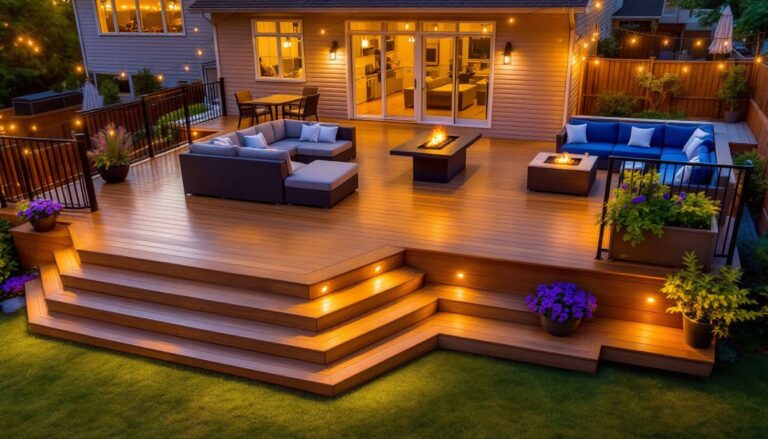
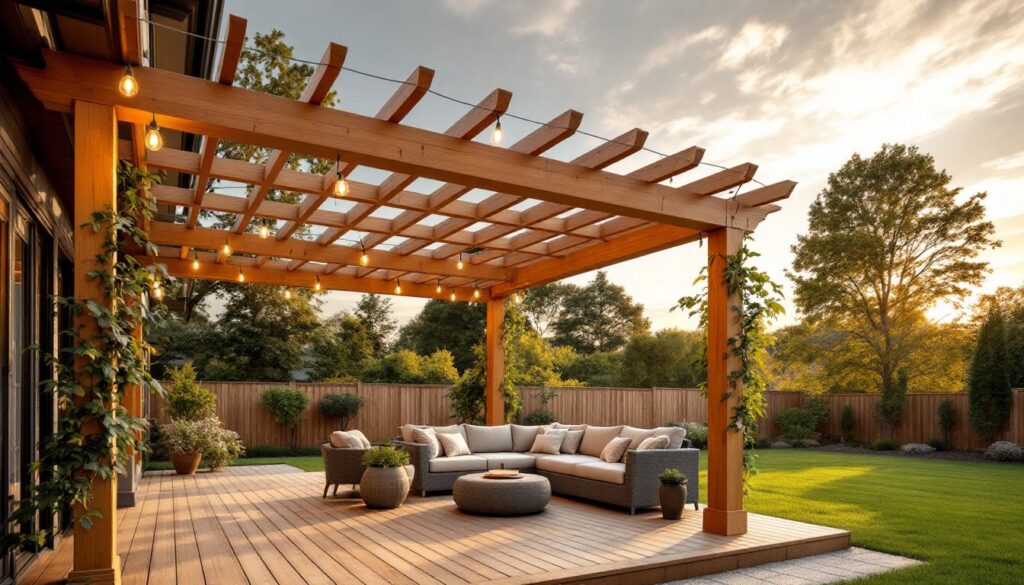
Adding a pergola to a deck isn’t just about shade, it’s about creating a defined outdoor room that extends living space and boosts property value. Whether the goal is to frame a seating area, support climbing vines, or simply add architectural interest, a well-designed pergola transforms a flat deck into a destination. From classic wood builds to modern metal frames with retractable canopies, the options fit every skill level and budget. This guide walks through practical pergola on deck ideas that balance style, function, and buildability.
Table of Contents
ToggleKey Takeaways
- A pergola transforms a deck into a defined outdoor room that boosts property value while providing 50-70% shade and maintaining open airflow without a stuffiness.
- Wooden pergolas using pressure-treated pine or cedar offer timeless appeal and budget-friendly options, while modern metal pergolas are maintenance-free and easier to install on existing structures.
- Retractable canopy pergolas provide flexible shade control for variable sun exposure throughout the day, though they don’t meet permanent roofing codes and require sturdy cross-beam anchoring.
- Climbing vines like wisteria, clematis, and climbing hydrangea add natural cooling and aesthetics to pergola designs, but require 2-3 seasons to fully cover and consistent watering during establishment.
- String lights, LED fixtures, and solar post cap lights extend pergola usability after sunset, while outdoor curtains and shade elements add privacy and enhance the outdoor room experience.
- Most decks can support a freestanding or properly anchored pergola without additional footings, but always verify local building codes and wind load requirements before construction begins.
Why Add a Pergola to Your Deck?
A pergola turns an exposed deck into a usable space during peak sun hours. Without full roof coverage, it offers partial shade, typically 50-70% depending on slat spacing, while maintaining airflow and an open feel. That’s enough to drop surface temperatures and make midday lounging comfortable without the stuffiness of a fully enclosed structure.
From a structural standpoint, most decks can support a freestanding or post-mounted pergola without additional footings, provided the deck itself is code-compliant and the pergola is properly anchored. Always check local building codes, some jurisdictions require permits for structures over a certain size or height, and attachment methods must meet wind load and lateral bracing requirements per the International Residential Code (IRC).
Beyond comfort, a pergola adds vertical interest and frames views. It’s a natural anchor point for string lights, hanging planters, or outdoor curtains. For resale, it signals intentional outdoor living design, which appeals to buyers looking for finished, turnkey spaces.
Classic Wooden Pergola Designs for Timeless Appeal
Pressure-treated pine or cedar remains the go-to for DIY pergola builds. Pressure-treated is budget-friendly and rot-resistant, while cedar offers natural weather resistance and a cleaner look with less chemical treatment. Both accept stain or paint, though cedar weathers to a silver-gray if left untreated.
For a traditional look, use 4×4 posts, 2×6 or 2×8 beams, and 2×4 or 2×6 rafters spaced 12 to 16 inches on center. This creates the classic open-slat roof that provides dappled shade. Cut decorative notches or angles on rafter ends for a finished look, a miter saw makes this easier than a circular saw, though both work.
Attachment to the deck depends on deck construction. If the pergola posts align with existing deck joists, lag bolts through the decking into the joist provide solid anchoring. If not, blocking between joists or post bases with through-bolts distribute the load. For elevated decks, consider running posts to grade and notching around the deck frame for true structural support, this avoids relying solely on deck fasteners and meets code in high-wind areas. Free plans with cut lists are available from sources like Ana White’s DIY pergola plans, which include material takeoffs and assembly diagrams.
Stain or seal within the first few months to prevent UV damage and moisture wicking. A semi-transparent exterior stain extends wood life by 3-5 years before recoating, while solid stains last longer but hide the grain.
Modern and Minimalist Deck Pergola Ideas
For a cleaner, contemporary look, switch to powder-coated aluminum or steel posts and beams. Metal pergolas are nearly maintenance-free, won’t warp or rot, and often come as modular kits with pre-drilled holes and hardware. They’re lighter than wood, which simplifies installation on existing decks, less load means less concern about structural capacity.
Design-wise, go for fewer, thicker rafters with wider spacing, say, 2×8 or 2×10 rafters at 24 inches on center, to create bold, clean lines. Skip decorative cuts: keep ends square or angle at 45 degrees. Paint or powder-coat in black, charcoal, or white for a stark contrast against natural decking.
Another modern twist: horizontal slat roofs instead of traditional perpendicular rafters. Mount 1×4 or 1×6 boards on edge, spaced 4 to 6 inches apart, running parallel to the house. This orientation provides more directional shade and a sleeker profile.
For a minimalist approach to landscape ideas backyard integration, consider a floating pergola, one that doesn’t fully enclose the deck but hovers over a seating zone, leaving corners open. This works especially well on large decks where a full-span pergola would feel heavy.
Pergola with Retractable Canopy for Flexible Shade
A retractable canopy adds weather flexibility without the commitment of a fixed roof. Mounted on tracks or cables, fabric panels slide open or closed depending on sun angle or rain. This setup is ideal for decks that get morning sun but afternoon overexposure, roll it out when needed, retract for stargazing.
Installation requires cross beams or a header beam strong enough to support the track hardware and fabric tension. Use 2×6 or larger lumber, and anchor with carriage bolts or lag screws into solid framing. Most residential retractable systems use Sunbrella or similar outdoor fabric, which resists UV and mildew. Expect to replace fabric every 5-7 years depending on exposure.
Manual systems use a crank or pull cord, while motorized versions tie into low-voltage wiring. If adding a motorized canopy, run conduit during pergola construction, retrofitting wiring is a pain. Some models include rain sensors that auto-retract to prevent water pooling.
One caution: retractable canopies don’t meet most building codes as permanent roofing. They’re accessories, not structural elements. If the goal is full rain protection, consider a polycarbonate panel roof instead, which sheds water and still allows light transmission.
Adding Climbing Plants and Greenery to Your Deck Pergola
Living shade is slower than fabric, but it’s hard to beat for aesthetics. Climbing vines trained over pergola rafters provide natural cooling, air filtration, and seasonal interest. They also soften hard lines and integrate the structure into the broader backyard entertaining area.
Wisteria is a classic choice, fragrant, fast-growing, and dramatic when in bloom. It’s also aggressive, so prune annually to prevent it from pulling down rafters. For less maintenance, try climbing hydrangea or clematis, both of which offer flowers without the weight or invasiveness. In hot climates, bougainvillea thrives and provides year-round color.
If planting in the ground isn’t an option, common with elevated decks, use large planters (15 gallons or more) at the base of posts. Install vertical wire or mesh panels between posts to guide growth upward. Secure wire with eye bolts into posts at 12-inch intervals: use 14-gauge galvanized wire for strength.
Watering is critical during establishment. Drip irrigation on a timer prevents hand-watering drudgery and ensures consistent moisture. Vines typically take 2-3 seasons to fully cover a pergola, so pair them with outdoor curtains or shade cloth in the meantime.
Lighting and Decor Ideas to Elevate Your Pergola Space
A pergola without lighting is underused after sunset. String lights are the easiest add, drape them along beams or zigzag across rafters for ambient glow. Use commercial-grade outdoor string lights with sealed sockets and shatter-resistant bulbs. Standard 14- or 16-gauge cords handle 100-foot runs without voltage drop. Secure with cup hooks or cable clips every 18 inches to prevent sagging.
For more focused light, mount LED downlights on posts or beams. Battery-powered puck lights work for quick installs, but hardwired low-voltage fixtures (12V) offer better brightness and reliability. If running new wiring, pull it through conduit before fastening beams, exposed wiring looks sloppy and violates most local electrical codes (NEC Article 225).
Solar post cap lights are another low-effort option, especially on freestanding pergolas where wiring is impractical. They won’t provide task lighting, but they mark edges and add subtle accent at night.
Beyond lighting, consider outdoor curtains or bamboo roll-up shades mounted between posts for privacy and wind protection. Use stainless steel curtain rods or wire cable with turnbuckles for tension. Curtains add softness and make the space feel room-like, which enhances the appeal of any backyard design for entertaining guests.
For year-round use, add a ceiling fan or infrared heater if the pergola has a solid roof section. Both require dedicated circuits and weatherproof boxes, not DIY territory unless comfortable with electrical work. Otherwise, hire a licensed electrician.
Conclusion
A deck pergola is one of the highest-impact outdoor projects for the effort involved. Whether building from scratch with dimensional lumber or installing a prefab metal kit, the result is immediate: defined space, better shade, and a framework for plants, lights, and decor. Start with a design that matches the deck’s load capacity and local codes, then layer in features, canopies, vines, lighting, as time and budget allow. The deck becomes a room, not just a platform.