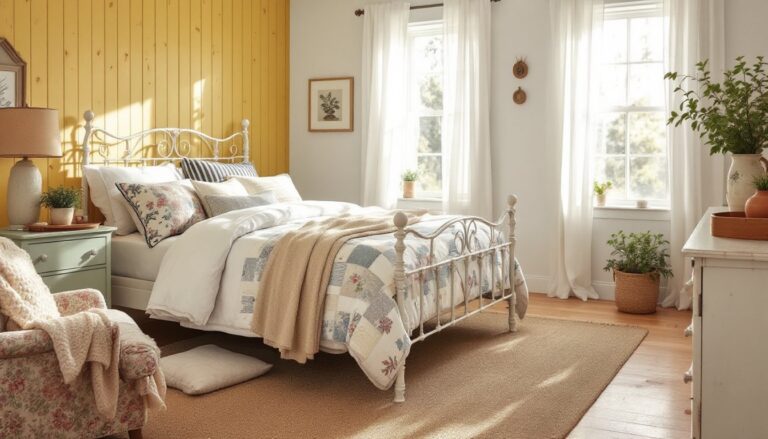

Designing a bedroom for a 10-year-old girl means balancing today’s interests with tomorrow’s needs. She’s outgrowing butterfly decals but isn’t ready for college-dorm minimalism. The room should reflect her growing independence, accommodate assignments and hobbies, and, critically, adapt without requiring a full remodel in two years. This guide covers practical design strategies, from color choices that won’t feel babyish next year to furniture that adjusts as she does. Whether you’re tackling a weekend refresh or a full room makeover, these tips focus on durability, flexibility, and projects you can accomplish with standard tools.
Table of Contents
ToggleKey Takeaways
- 10 year old bedroom ideas work best when built on neutral, adaptable foundations—solid-colored walls and flexible furniture—allowing your daughter to personalize with easily changeable accents like bedding, rugs, and removable decals.
- Prioritize vertical and under-bed storage solutions with labeled bins and modular organizers so your daughter can manage her own space as she accumulates hobbies, collections, and sports gear.
- Create a dedicated study zone with a minimum 42-inch desk, task lighting (4000K color temperature), and ergonomic seating to improve focus and keep school supplies organized without sacrificing bedroom comfort.
- Invest in adaptable furniture like adjustable-height desks, loft beds with storage, or modular shelving systems that grow with her changing needs and eliminate costly replacements in two to three years.
- Involve her in DIY projects—painted furniture, pegboard displays, or custom corkboards—to build ownership of her space while teaching practical skills using basic tools.
- Secure tall furniture and shelves to wall studs with brackets or straps, install proper wall anchors for floating shelves and mirrors, and follow local building codes to ensure her bedroom is both stylish and safe.
Understanding What 10-Year-Old Girls Want in Their Bedroom
At this age, girls start developing stronger opinions about their space. They want rooms that feel “older” but still fun, private but social for sleepovers, and organized but not overly controlled by parents.
Key priorities typically include:
- Privacy and personalization: A door that closes, wall space for posters or art, and control over layout choices.
- Display space: Shelves or bulletin boards for collections, ribbons, or changing interests.
- Functional zones: Separate areas for sleep, assignments, and play, even in smaller rooms.
- Friend-friendly features: Floor space for sleeping bags, seating beyond the bed, or a desk big enough for group projects.
Involve her in the planning phase, but guide choices toward durable materials and neutral foundations. Let her pick accent colors, bedding patterns, or removable decor elements, things that can change without repainting or replacing furniture. This approach keeps the project budget-friendly and reduces the risk of buyer’s remorse six months later when interests shift from horses to robotics.
Skip themed everything (all-mermaid, all-unicorn). Instead, build a flexible backdrop she can personalize with accessories. That means solid-color walls, sturdy case goods, and layered lighting she can adjust as tastes evolve.
Color Schemes That Grow With Her
Choose a neutral or muted base for walls and large furniture, then layer in bolder colors through bedding, rugs, and curtains. This strategy lets you swap accent pieces without repainting every few years.
Wall colors that age well:
- Soft grays (Repose Gray, Agreeable Gray): pair with nearly any accent color.
- Warm whites (Swiss Coffee, Alabaster): brighten small rooms and reflect natural light.
- Muted blues or greens (Sea Salt, Rainwashed): calm but not juvenile.
- Dusty blush or terracotta: trendy in 2026 but still sophisticated enough for teens.
Use one gallon of premium paint (covers ~400 sq ft) for a typical 10×12 bedroom with two coats. Opt for eggshell or satin finish, easier to clean than flat, less shiny than semi-gloss.
Accent color strategies:
- Let her choose two accent colors for pillows, artwork, and storage bins. Swap these out as interests change.
- Use peel-and-stick wallpaper on a single accent wall or inside a bookcase back panel. Removal is clean if tastes shift, and installation requires only a smoothing tool and utility knife.
- Add removable wall decals for temporary pattern without commitment. They peel off without damaging paint if applied over cured latex (wait 30 days after painting).
Avoid all-pink or heavily themed palettes unless she’s adamant, and even then, limit it to removable elements. Paint trends cycle fast, but a neutral shell with flexible accents keeps the room current without constant rework.
Smart Storage Solutions for Toys, Books, and Hobbies
Ten-year-olds accumulate gear: sports equipment, craft supplies, books, collections. Storage must be accessible, adaptable, and ideally, something she can manage herself.
Vertical storage:
- Floating shelves (¾” plywood or solid pine, 10–12″ deep) mounted into wall studs with heavy-duty brackets. Space shelves 12–14″ apart for books and bins. Use a stud finder and level: drywall anchors alone won’t hold a shelf loaded with hardcovers.
- Cube organizer units (6-cube, 9-cube): modular and easy to reconfigure. Add fabric bins for smaller items. These typically ship as knock-down furniture: assembly takes about 30 minutes with a cordless drill and square.
Under-bed storage:
- Low-profile rolling bins (6–8″ clearance) keep off-season clothes or extra bedding accessible. Measure bed height before buying, many platform beds sit lower than traditional frames.
- Build a simple rolling drawer from ¾” plywood, 1×4 pine trim, and furniture casters. Cut plywood to fit under the bed minus 2″ on each side, attach 1×4s as sides, screw on casters, and add a rope handle. No fancy joinery required.
Closet upgrades:
- Replace a single rod with double-hang rods: one at 40″ (for shirts), one at 80″ (for dresses or parent-stored items). Use closet rod brackets secured into studs or blocking.
- Add a 6-cube organizer on the closet floor for shoes and bags. It’s more functional than a pile and doesn’t require permanent installation.
- Install wire shelf dividers to keep stacks of clothes upright. They clip onto wire shelving without tools.
Labeling: Use a label maker or chalkboard labels on bins. It’s easier for her to maintain organization if everything has a designated spot. Skip overly cutesy fonts, simple and legible works better long-term.
Creating a Study and Homework Zone
A dedicated assignments area improves focus and keeps school supplies contained. Even a small desk beats working on the bed.
Desk selection:
- Minimum 42″ wide, 24″ deep for a computer, notebook, and elbow room. Smaller desks feel cramped quickly.
- Adjustable-height desks (crank or electric) grow with her. Standard desk height is 29–30″, but she may need lower now and higher in a few years.
- Wall-mounted fold-down desks save floor space in tight rooms. Mount to studs with heavy-duty hinges rated for at least 50 lbs. Add a fold-down leg for stability when in use.
Lighting:
- Task lighting is non-negotiable. A swing-arm desk lamp or clamp-on LED light (minimum 450 lumens, 4000K color temperature) reduces eye strain. Avoid warm white for study areas: cooler tones improve alertness.
- Position the light to the left if she’s right-handed (right if left-handed) to minimize shadows.
Organization:
- Wall-mounted pegboard above the desk (¼” tempered hardboard, 2×4 or 2×6 spacing blocks behind to allow hook insertion). Paint it to match the wall or leave natural. Hooks, baskets, and small shelves attach without drilling new holes.
- Desktop organizers for pens, scissors, charging cables. Drawer dividers for paper and supplies.
- Bulletin board or magnetic board (2×3′ or 3×4′) for assignments, calendars, and inspiration. Cork is classic: magnetic paint + steel sheet offers flexibility. Mount with appropriate anchors or into studs.
Seating:
- An ergonomic task chair with adjustable height and lumbar support is worth the investment. Cheap chairs cause slouching and discomfort during long assignments sessions. Look for a chair rated to support her current weight plus 25–50 lbs for growth.
Fun DIY Decor Projects You Can Do Together
Building or decorating elements together gives her ownership of the space, and teaches practical skills.
Painted furniture refresh:
- Sand an old dresser or nightstand with 120-grit sandpaper to dull the finish (wear a dust mask). Wipe clean with a tack cloth.
- Apply bonding primer (e.g., Zinsser B-I-N or similar shellac-based product) if the original finish is glossy or laminate. One coat, dry 45 minutes.
- Top with two coats of latex or chalk paint in her chosen color. Light sanding with 220-grit between coats smooths any brush marks.
- Swap hardware for updated knobs or pulls. Pre-drill holes if switching from knobs to pulls to avoid splitting the wood.
Many families turn this into a weekend project. Young House Love features accessible furniture painting tutorials with troubleshooting tips for common mistakes.
DIY pegboard art display:
- Cut ¼” pegboard to size (a circular saw works, but a jigsaw gives cleaner curves if shaping). Paint or stain as desired.
- Mount to wall using 1×2 furring strips as spacers (screwed into studs every 16″). Pegboard needs clearance behind it for hooks to fit.
- Add hooks, small shelves, or wire baskets to display artwork, photos, or small collections.
String light canopy:
- Install ceiling hooks (screw-in or toggle bolts depending on ceiling material) at the four corners of the bed area.
- Drape battery-operated LED string lights (avoid incandescent, fire hazard and heat) in a pattern she likes. No electrical work required.
- Add sheer fabric panels if she wants a canopy effect. Use fabric clips or safety pins to attach fabric to the light strands. Keep fabric away from any heat source.
Custom corkboard:
- Buy cork tiles (12×12″ squares, self-adhesive or glue-on). Arrange in a pattern on the wall, geometric, ombre, or scattered.
- Frame the installation with ¾” screen molding cut to size with a miter saw (or hand miter box). Attach with finish nails and a hammer or brad nailer.
- She can pin photos, ribbons, artwork, or notes without damaging the wall.
These projects require basic hand tools (hammer, drill, saw, sandpaper) and cost $20–$75 in materials depending on scale. They’re approachable for beginners and offer immediate, visible results.
Furniture That Adapts to Her Changing Needs
Buy furniture that adjusts, converts, or serves multiple purposes. It costs more upfront but eliminates the need for replacement in two years.
Beds:
- Twin or full platform beds with built-in drawers or trundles. Platform bases eliminate the need for a box spring and often include storage.
- Loft beds free up floor space underneath for a desk, seating, or storage. One builder and her 10-year-old daughter constructed a loft bed with bookshelf and desk using standard dimensional lumber and basic joinery. Lofts require sturdy construction, use 2×6 or 2×8 framing, lag bolts, and confirm it’s anchored to wall studs. Check local building codes: some jurisdictions have height and guardrail requirements for elevated sleeping surfaces.
- Daybeds double as seating and sleep space, ideal for sleepovers.
Desks and storage:
- Modular shelving systems (like IKEA Kallax or similar cube units) reconfigure as needs change. These units are stable when anchored to the wall with the included tip-over bracket, essential for safety, especially in earthquake-prone areas.
- Adjustable-height desks mentioned earlier grow with her. If budget is tight, use a standard desk and swap the chair as she grows.
- Creative furniture modifications can extend the life of budget pieces. IKEA Hackers showcases hundreds of user-submitted hacks that turn basic items into custom solutions, everything from loft bed combos to craft storage.
Seating:
- Bean bags or floor cushions are friend-friendly and easy to move. Look for removable, washable covers.
- Small upholstered bench or ottoman at the foot of the bed provides seating and can include hidden storage.
Durability matters:
- Solid wood or plywood construction outlasts particleboard. Check drawer boxes, dovetail or dowel joints hold up better than stapled butt joints.
- Avoid furniture with thin veneers that chip easily. If buying flat-pack furniture, reinforce joints with wood glue during assembly.
- Anchor tall furniture (dressers, bookcases over 30″) to wall studs using furniture straps or L-brackets. This prevents tip-over accidents and is required by safety standards in many areas.
Quality furniture for a child’s room doesn’t mean heirloom pieces, just well-constructed items that survive active use and adjust as she grows. For 10 year old bedroom ideas, prioritize function and flexibility over trendy styling.
Conclusion
A 10-year-old girl’s bedroom should be a project, not a showpiece. Build in flexibility with neutral foundations, accessible storage she can manage, and furniture that adjusts as she does. Let her lead on personalization, paint colors, DIY projects, decor swaps, while you handle the structure, safety, and durability. The best rooms grow with her interests without requiring a teardown every 18 months. Measure twice, involve her in the planning, and don’t skip the wall anchors.